

Bali Photography Tours: Best Instagram Spots & Photo Tour Guide
Bali is one of the most photographed destinations in the world, and for good reason. From emerald-green rice terraces cascading down hillsides to ancient temples draped in incense smoke, the island offers an incredible variety of stunning backdrops. Whether you are a professional photographer or just someone who loves capturing beautiful travel moments for Instagram, Bali photography tours can help you discover the island’s most photogenic corners efficiently and authentically.
In this comprehensive guide, we cover everything you need to know about planning the perfect Bali photography adventure — including the best photo spots, optimal timing for golden-hour shots, smart tips for avoiding crowds, and the right gear to bring along.
Why Choose a Bali Photography Tour?
Traveling independently to Bali’s most beautiful locations can be rewarding, but it also comes with challenges. Traffic in popular areas can be heavy, some of the best photo spots are tucked away down narrow alleys, and without local knowledge, you might miss the perfect angle or arrive at the wrong time of day.
Bali photography tours solve these problems by pairing you with experienced local guides who know exactly where to go, when to go, and how to get the best shots. Many tours also include professional photography assistance, so you can learn new techniques while exploring the island.
Here are some key benefits of joining a dedicated photography tour:
- Access to hidden gems that are not easily found on travel apps or blogs
- Optimal timing for lighting conditions at each location
- Local insights about cultural protocols, especially around temples
- Logistics handled — transportation, parking, and route planning included
- Photo opportunities with traditional Balinese elements like offerings, ceremonies, and daily life
Top Bali Photography Locations You Cannot Miss
Rice Terrace Photography Spots
Bali’s UNESCO-recognized rice terraces are among the most iconic photography subjects on the island. The three most popular terrace areas — Tegallalang, Jatiluwih, and Tibumana — each offer distinct perspectives and atmospheres.
Tegallalang Rice Terrace in Ubud is the most famous and most visited. Its compact, tiered layout creates dramatic depth in photos, especially when shot from the famous swing vantage point. Arrive before 8:00 AM to catch the morning light filtering through the palm trees and reflecting off the paddies.
Jatiluwih Rice Terraces in the central highlands are much larger and less crowded. These terraces offer sweeping panoramic shots that are impossible to get at Tegallalang. Bring a wide-angle lens here for the best results.
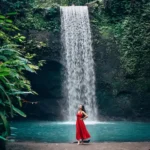
Tibumana Waterfall and its surrounding rice field pathways provide a magical combination of water, greenery, and natural light. Early morning mist creates an ethereal quality that photographers absolutely love.
Temple Photography in Bali
Bali is home to thousands of temples, each with unique architectural beauty and spiritual atmosphere. For photography purposes, some temples stand out above the rest.
Tanah Lot is Bali’s most iconic sea temple, perched on a rocky outcrop off the southwest coast. The temple is especially spectacular during sunset when the sky turns shades of orange and purple behind the silhouetted structure. Photography tours often time their visits perfectly for this golden-hour spectacle.
Pura Lempuyang Temple in East Bali features the famous “Gates of Heaven” — two massive split gates that frame Mount Agung perfectly when photographed from the right angle. This spot has become one of the most trending Instagram Bali locations in recent years, so visiting during off-peak hours is strongly recommended.
Ulun Danu Beratan Temple on Lake Beratan offers a mystical combination of lake reflections and mountain scenery. Morning fog often shrouds the temple, creating dreamy, otherworldly images that look like they belong in a fantasy movie.
Infinity Pools and Resorts
Bali’s world-famous infinity pools are a major draw for travel photographers. Many resorts and cafes offer day passes that give you access to stunning poolside views.
Some of the best infinity pool photography spots include:
- Hanging Gardens of Bali in Ubud — the iconic double-pool overlooking the jungle valley
- Katamama Hotel in Seminyak — stylish pool with ocean views
- The Onion Collective in Ubud — modern geometric pool with jungle backdrop
- Adda Jungglonial in Canggu — rooftop pool with rice field panoramas
Keep in mind that some venues charge photography fees or restrict tripod use. Always check the current policy before visiting.
Swing Attractions and Adventure Spots
The Bali jungle swings became a global social media phenomenon, and for good reason — swinging over lush valleys with a dramatic backdrop makes for incredibly dynamic photos. Popular swing venues like Tegallalang D’Tukad and Ayung River View offer multiple swing styles, bird’s nest setups, and glass platforms.
For a more authentic experience, some photography tours include visits to locally-owned rice barn swings in the Munduk area, where you can capture the same adventurous energy without the large crowds.
Hidden Gems for Unique Shots
Beyond the famous landmarks, Bali has plenty of lesser-known photography spots that reward the more adventurous traveler.
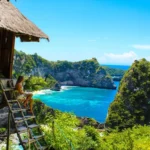
Nyang Nyang Beach in the south is a pristine, secluded stretch of white sand with dramatic cliffside access. The journey down takes about 15-20 minutes, but you will often have the entire beach to yourself. The contrast between the turquoise water and dark cliffs creates striking compositions.
Sidemen Valley in East Bali offers quiet rice field walks, traditional village scenes, and views of Mount Agung without the tourist crowds of Ubud. It is an excellent location for cultural portrait photography with locals engaged in daily activities.
Mount Batur at sunrise is a bucket-list experience. The pre-dawn hike rewards you with views of the sun rising over the caldera lake, with clouds floating below the summit. Photography tours that include this experience typically depart around 3:00 AM to reach the summit in time.
Best Times for Photography in Bali
Timing is everything in photography, and Bali presents unique lighting conditions throughout the year. Understanding the best seasons and times of day will dramatically improve your results.
Dry Season vs. Wet Season
Bali’s dry season runs from April to October. During these months, skies are clearer, humidity is lower, and sunsets tend to be more vivid. This is the most popular time for photography tours, though popular spots will be busier.
The wet season from November to March brings more dramatic cloud formations, lush green landscapes, and fewer tourists. Rice terraces are at their most vibrant green during this period. The trade-off is occasional rain showers, but these often create stunning rainbow and lightning photo opportunities.
Time of Day Recommendations
| Time | Best For | Notes |
|---|---|---|
| 6:00 AM – 8:00 AM | Rice terraces, waterfalls, temples | Soft golden light, minimal crowds |
| 9:00 AM – 11:00 AM | Street photography, markets, villages | Good natural light for candid shots |
| 3:00 PM – 5:00 PM | Beaches, infinity pools, temples | Warm afternoon light begins |
| 5:00 PM – 6:30 PM | Sunset locations (Tanah Lot, beaches) | Best golden hour for dramatic shots |
| Night | Light trails, stars (Ubud, Sidemen) | Clear nights offer Milky Way views |
Tips for Avoiding Crowds at Popular Spots
One of the biggest challenges for travel photographers in Bali is dealing with crowds at famous locations. Here are proven strategies to help you get cleaner, more professional shots:
- Visit during early morning — Arriving at 6:00 AM or earlier at locations like Tegallalang or Pura Lempuyang means you can often have the place almost to yourself for 30-60 minutes.
- Choose weekday mornings — Weekends bring significantly more domestic and international tourists. Tuesday through Thursday mornings are ideal.
- Explore alternative angles — Instead of the main viewpoint at Tegallalang, walk along the lower path for unique perspectives with fewer people in frame.
- Use a long focal length — A 70-200mm lens allows you to compress backgrounds and isolate subjects while blurring out distracting crowds.
- Work with local photographers — Bali photography tour guides often know side entrances and off-the-beaten-path vantage points that skip the main queues.
Camera Gear Recommendations
Whether you are shooting on a smartphone or a full-frame mirrorless camera, having the right gear for Bali’s specific conditions will make a noticeable difference.
Smartphone photographers will find that newer flagship phones from Apple, Samsung, or Google excel in Bali’s bright conditions. The ultrawide lens is especially useful for capturing rice terraces and architecture. Bring a small clip-on lens kit if you want more creative options.
For mirrorless and DSLR photographers, a versatile zoom lens like a 24-70mm covers most situations well. A 70-200mm is invaluable for compressing landscapes and isolating subjects. A wide-angle lens around 16-35mm is ideal for the grand scale of rice terraces and temple interiors.
Other essentials include a sturdy travel tripod for low-light and long-exposure shots, multiple spare batteries (humid conditions drain batteries faster), lens cleaning cloths for the inevitable dust and moisture, and weather-sealed camera bags to protect your gear during unexpected tropical rain showers.
A polarizing filter is particularly useful in Bali — it cuts glare from water surfaces, deepens blue skies, and reduces reflections on temple stone carvings. A UV filter adds a layer of protection to your lenses when shooting near waterfalls or along muddy paths.
What to Expect on a Bali Photography Tour
Most Bali photography tours operate with small groups of 4-8 people, allowing for personalized attention from the guide. Tours typically run for a full day or half-day and include air-conditioned transportation between locations, entrance fees to venues, the expertise of a local photography guide, and flexible itineraries based on your interests.
Full-day tours often combine three to five locations, mixing one or two famous spots with hidden gems. Half-day tours are more focused, concentrating on a single area like Ubud’s cultural corridor or the East Bali coastline.
Many tours also offer specialized options, including drone photography tours (where regulations permit), sunrise tours to Mount Batur, and cultural photography sessions that include traditional Balinese makeup and costume styling.
Final Thoughts
Bali offers an extraordinary canvas for photographers of every skill level. The island’s natural beauty, rich cultural heritage, and increasingly accessible photography venues make it one of the world’s premier destinations for travel photography. Whether you are looking to capture the symmetry of rice terraces, the spiritual atmosphere of ancient temples, or the adventurous energy of jungle swings, Bali has a shot waiting for you around every corner.
Planning your photography adventure with a dedicated tour not only saves time and effort but also gives you access to local knowledge that transforms good photos into truly exceptional ones. So charge your batteries, pack your lenses, and get ready to discover why Bali photography tours continue to attract creative travelers from around the globe.
Ready to capture Bali through your lens? Start planning your photography tour today and turn your travel memories into stunning images that will last a lifetime.
FAQ
What are the best Bali photography locations for beginners?
The best starting points include Tegallalang Rice Terrace, Tanah Lot Temple at sunset, and the Ulun Danu Beratan Temple. These locations are easily accessible, offer dramatic scenery, and have established photography infrastructure with safe viewing platforms.
When is the best time of year to visit Bali for photography?
The dry season from April to October offers the clearest skies and most vivid sunsets. However, the wet season from November to March provides lush green landscapes and fewer crowds. For photography specifically, May and June offer an excellent balance of good weather and moderate tourist numbers.
Do I need a professional camera for Bali photography tours?
Not at all. Modern smartphones capture stunning images in Bali's favorable lighting conditions. However, a dedicated camera with interchangeable lenses offers more creative control, especially for zoom and wide-angle shots. The most important factors are timing, composition, and understanding your equipment.
Are there photography restrictions at Bali temples?
Yes, some temples prohibit tripods and professional photography equipment. Others allow photography but require modest dress and sarong coverage. Always respect local customs, ask permission before photographing ceremonies or people, and follow the guidance of your tour guide at religious sites.
How do I avoid crowds at popular Bali photo spots?
The most effective strategy is visiting during early morning, ideally between 6:00 and 8:00 AM. Weekday mornings are significantly less crowded than weekends. Alternatively, explore less-famous locations like Sidemen Valley, Munduk, or Nyang Nyang Beach for equally beautiful shots without the crowds.
What camera gear should I bring to Bali?
A versatile zoom lens (24-70mm or 18-200mm), a wide-angle lens (16-35mm), a polarizing filter, a sturdy tripod, spare batteries, and weather-sealed camera bags are recommended. If using a smartphone, bring a small clip-on lens kit for ultrawide and macro options.
Are drone photography tours available in Bali?
Yes, several tour operators offer drone photography experiences. However, drones must be registered with the Indonesian authorities, and flying near airports, temples, and certain protected areas is prohibited. Your tour guide will help identify legal flying locations with the best aerial perspectives.